
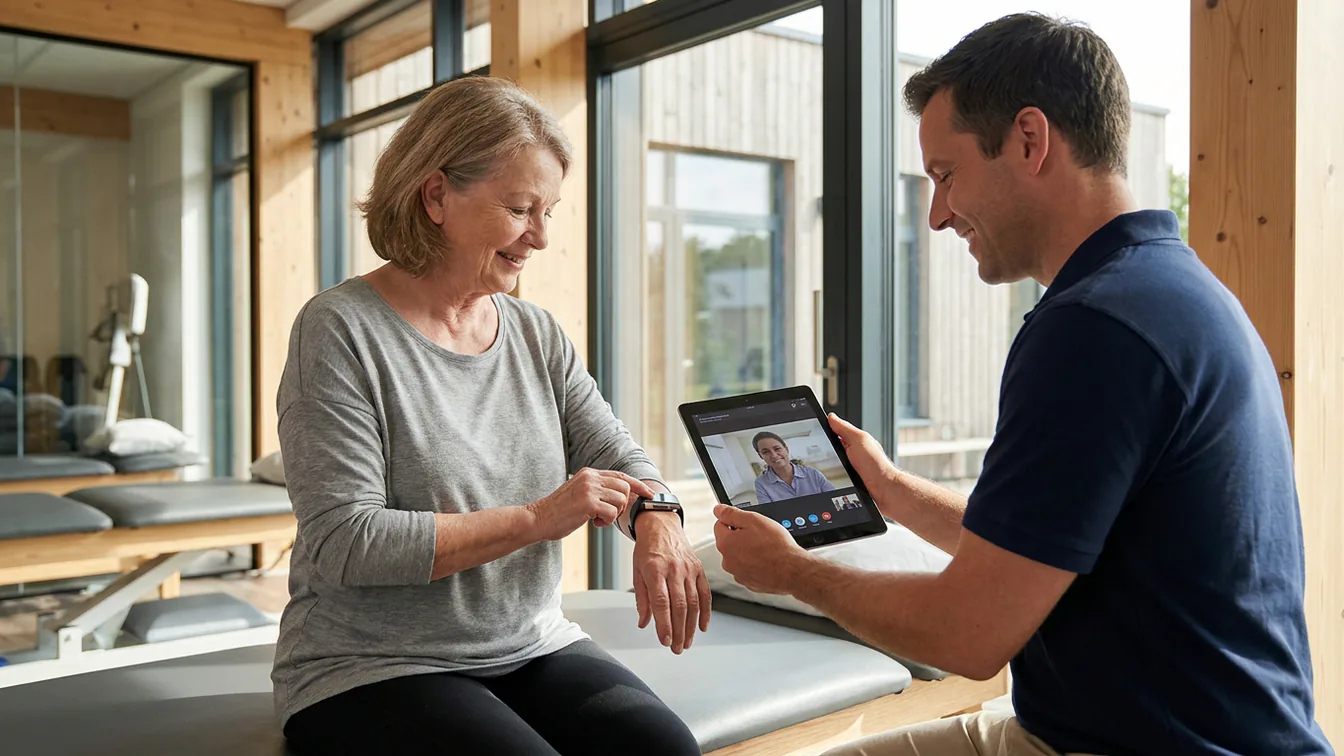
Living with chronic pain can feel isolating, especially when frequent visits to healthcare providers become a burden rather than a solution. For Olive Hill residents dealing with persistent pain conditions, telehealth visits have emerged as a game-changing approach that provides lasting relief while addressing the unique challenges of ongoing pain management.
Telehealth technology has transformed how we approach chronic pain care, offering unprecedented access to specialized treatment plans, continuous monitoring, and personalized support. This innovative approach provides patients with the tools and guidance they need to achieve meaningful, long-term pain relief without the traditional barriers of in-person appointments.
Understanding Chronic Pain and Modern Healthcare Solutions
Chronic pain affects millions of Americans, with conditions ranging from fibromyalgia and arthritis to neuropathy and post-surgical pain syndromes. Traditional pain management often requires frequent office visits, which can be particularly challenging for those whose pain limits mobility or those living in areas where specialized care isn't readily available.
Telehealth visits bridge this gap by connecting patients with healthcare providers through secure video platforms, allowing for comprehensive pain assessments, treatment plan adjustments, and ongoing support from the comfort of home. This approach has proven especially valuable in Kentucky, where rural communities may face geographic barriers to accessing specialized pain management services.
The key to telehealth's success in chronic pain management lies in its ability to provide consistent, regular check-ins that traditional healthcare models often struggle to accommodate. When pain management requires frequent adjustments to treatment protocols, medications, or therapy recommendations, telehealth visits offer the flexibility and accessibility that patients desperately need.
For residents of Sandy Hook and Salt Lick, telehealth has opened doors to pain management specialists who might otherwise be hours away. This technology allows patients to maintain regular contact with their healthcare team, ensuring that pain management strategies evolve with their changing needs and circumstances.
The Science Behind Telehealth Success in Pain Management
Research consistently demonstrates that telehealth visits provide measurable improvements in chronic pain outcomes. Studies show that patients who engage in regular telehealth consultations report significant reductions in pain intensity, improved functional capacity, and better overall quality of life compared to those receiving traditional episodic care.
The effectiveness of telehealth in pain management stems from several key factors. First, the increased frequency of contact allows healthcare providers to make timely adjustments to treatment plans before pain levels escalate. This proactive approach prevents the cycle of worsening pain that often occurs when patients wait weeks or months between appointments.
Second, telehealth visits enable real-time assessment of how patients are responding to various interventions. Whether discussing the effectiveness of specific exercises, reviewing pain journals, or evaluating the impact of lifestyle modifications, these regular check-ins provide valuable data that informs treatment decisions.
The psychological benefits of consistent healthcare contact cannot be understated. Chronic pain often leads to feelings of isolation and helplessness, but regular telehealth visits provide patients with ongoing support and validation. This emotional component plays a crucial role in pain perception and management success.
Moreover, telehealth platforms often integrate with mobile health applications that track pain levels, medication usage, sleep patterns, and activity levels. This data provides healthcare providers with comprehensive insights into pain patterns and triggers, enabling more targeted and effective treatment strategies.
Comprehensive Pain Management Through Remote Care
Effective telehealth pain management goes far beyond simple video consultations. The most successful programs incorporate multiple modalities and services that work together to address the complex nature of chronic pain.
Education plays a fundamental role in telehealth pain management. Through virtual sessions, patients learn about pain science, understanding how the nervous system processes pain signals and how various factors influence pain perception. This knowledge empowers patients to take active roles in their recovery and make informed decisions about their care.
Movement and exercise therapy represent another crucial component of remote pain management. Telehealth visits allow healthcare providers to guide patients through specific exercises, observe their form, and make real-time corrections. This personalized approach ensures that patients perform therapeutic exercises correctly and safely, maximizing their benefits while minimizing injury risk.
Nutritional counseling through telehealth visits addresses the important connection between diet, inflammation, and pain. Healthcare providers can review food journals, discuss anti-inflammatory nutrition strategies, and recommend specific supplements that support pain reduction and overall wellness.
Stress management techniques, including mindfulness practices, breathing exercises, and relaxation strategies, can be effectively taught and reinforced through telehealth platforms. Since stress and anxiety often exacerbate chronic pain, these tools provide patients with immediate coping strategies they can implement whenever pain levels increase.
For those in Olive Hill dealing with specific conditions like sports-related injuries, telehealth visits can coordinate with local services to create comprehensive treatment plans. Whether someone is a Morehead State Eagles fan dealing with old athletic injuries or a weekend warrior managing overuse syndromes, remote care can guide them toward appropriate local therapies while maintaining ongoing oversight of their progress.
Building Sustainable Pain Management Habits
One of the greatest advantages of telehealth visits is their ability to support long-term behavior change and habit formation. Chronic pain management requires consistent daily practices, and regular virtual check-ins help patients stay accountable to their treatment plans while providing opportunities for ongoing education and support.
Sleep hygiene represents a critical aspect of chronic pain management that telehealth visits can effectively address. Poor sleep quality both contributes to and results from chronic pain, creating a vicious cycle that traditional healthcare visits often fail to break. Through regular telehealth consultations, providers can monitor sleep patterns, adjust recommendations based on patient feedback, and provide ongoing support for sleep improvement strategies.
Activity pacing is another essential skill that telehealth visits help patients develop. Many individuals with chronic pain struggle with boom-bust cycles, where they overdo activities on good days and then experience increased pain and reduced function afterward. Regular virtual check-ins allow healthcare providers to help patients develop sustainable activity levels and learn to recognize their limits before exceeding them.
Medication management becomes more precise and effective through telehealth monitoring. Rather than waiting until scheduled appointments to discuss medication effectiveness or side effects, patients can communicate concerns immediately, allowing for timely adjustments that prevent unnecessary suffering or complications.
The integration of wearable technology with telehealth platforms provides objective data about patient activity levels, sleep quality, and even stress markers. This information helps healthcare providers identify patterns and make evidence-based recommendations for treatment modifications.
Addressing Common Concerns About Remote Pain Care
Many patients initially worry that telehealth visits cannot provide the same quality of care as in-person appointments. However, research and patient experiences consistently demonstrate that for chronic pain management, remote care often provides superior outcomes due to its accessibility and frequency.
While telehealth visits cannot replace certain hands-on treatments, they excel at providing the education, support, and monitoring that form the foundation of successful chronic pain management. For Olive Hill residents, this means having access to specialized pain management expertise without the burden of long-distance travel while still maintaining connections to local therapeutic services when needed.
Privacy and technology concerns are common, but modern telehealth platforms use bank-level encryption and comply with strict healthcare privacy regulations. Most patients find the technology surprisingly user-friendly, and healthcare providers typically offer technical support to ensure smooth experiences.
The cost-effectiveness of telehealth visits often surprises patients. Insurance coverage for telehealth services has expanded significantly, and many patients find that reduced travel costs and time away from work make remote care more affordable than traditional appointments.
Creating Your Telehealth Success Strategy
Maximizing the benefits of telehealth visits for chronic pain requires preparation and engagement. Before each session, patients should prepare by reviewing their pain journals, noting any changes in symptoms or function, and preparing questions about their treatment plan.
Creating a dedicated space for telehealth visits enhances the experience and helps maintain the therapeutic relationship. This space should be quiet, well-lit, and free from distractions, allowing for focused communication with healthcare providers.
Active participation in telehealth visits produces the best outcomes. This means honestly reporting pain levels, discussing challenges with treatment recommendations, and asking questions about any aspect of the pain management plan.
Between sessions, patients should implement recommended strategies consistently and track their responses. This information becomes valuable data for subsequent telehealth visits and helps healthcare providers make informed adjustments to treatment plans.
For those in the Olive Hill area seeking comprehensive pain management solutions, Carter Healthcare at 115 Mills St, Olive Hill, KY 41164 offers innovative approaches to pain relief that can complement telehealth services. Whether you're dealing with acute pain that could benefit from SoftWave Therapy or chronic inflammation that might respond to Red Light Therapy, combining in-person therapeutic services with telehealth monitoring can provide the comprehensive care that leads to lasting relief.
The future of chronic pain management lies in this integrated approach, where technology enhances rather than replaces the human connection between patients and healthcare providers. Through consistent telehealth visits, patients gain access to the ongoing support, education, and care coordination they need to achieve meaningful, lasting pain relief and improved quality of life.