
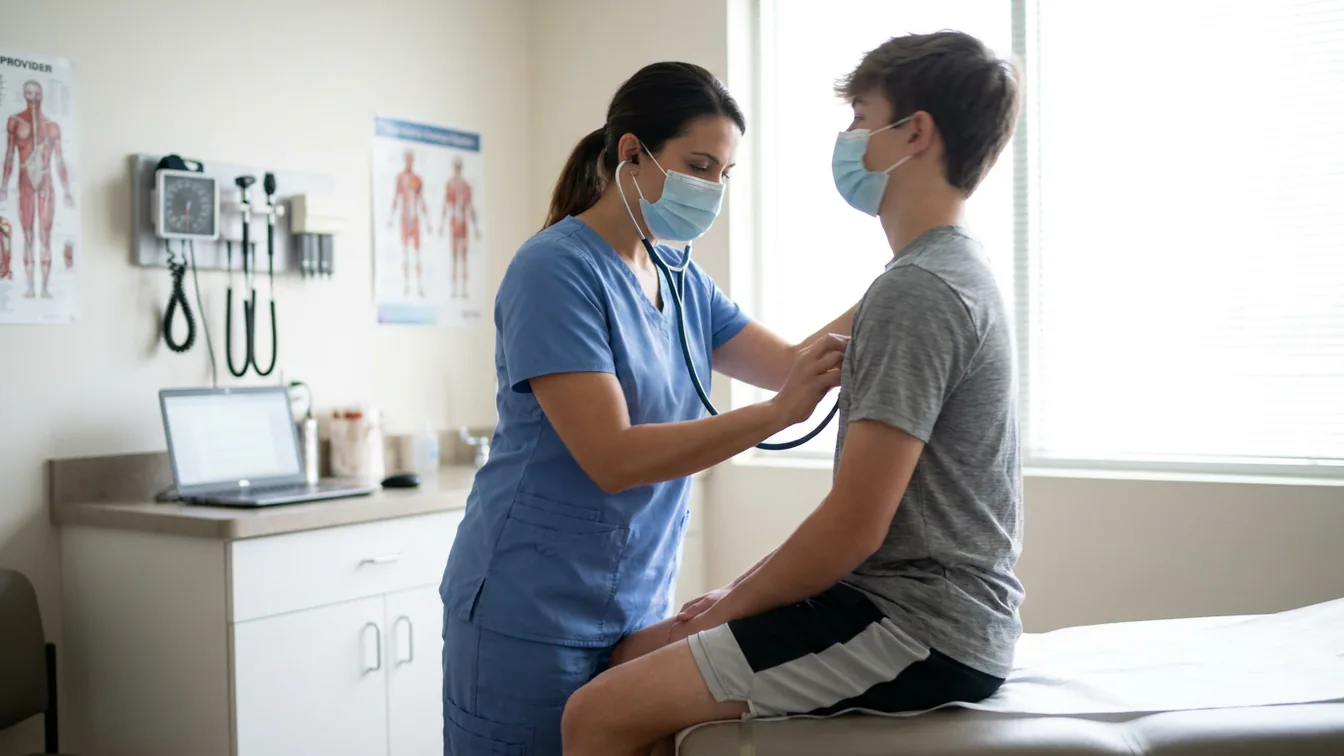
When it comes to sports physicals for student athletes, there's no shortage of misconceptions floating around locker rooms, parent groups, and online forums. These common myths about sports physicals can lead to confusion, unnecessary worry, and sometimes even poor health decisions for young athletes. Whether you're a parent in Clearfield preparing your child for their first season or a seasoned athlete in Olive Hill, understanding the facts behind these medical evaluations is crucial for optimal athletic performance and safety.
Sports physicals serve as a vital checkpoint in an athlete's journey, yet many people hold outdated or incorrect beliefs about what these examinations entail and why they're necessary. Let's separate fact from fiction and explore the reality behind some of the most persistent myths surrounding sports physicals.
Myth 1: Sports Physicals Are Just a Formality
One of the most dangerous myths about sports physicals is that they're merely a bureaucratic requirement with little medical value. This couldn't be further from the truth. Sports physicals are comprehensive health evaluations designed to identify potential health risks that could affect an athlete's safety or performance.
During a thorough sports physical, healthcare providers assess cardiovascular health, musculoskeletal function, vision, and overall physical development. They review medical history, current medications, and previous injuries that might impact athletic participation. This evaluation can uncover underlying conditions such as heart murmurs, high blood pressure, or joint instabilities that require attention before athletic participation.
For Olive Hill residents whose children participate in various sports throughout Kentucky, these examinations have prevented countless injuries and identified serious health conditions that might have gone undetected. The screening process helps determine not only if a student can safely participate in sports but also identifies areas where additional support or conditioning might be beneficial.
Healthcare providers also use sports physicals to educate young athletes about injury prevention, proper nutrition, hydration strategies, and the importance of rest and recovery. This educational component extends far beyond a simple "cleared to play" stamp and provides valuable health guidance that athletes can use throughout their sporting careers.
Myth 2: Any Doctor Can Perform Sports Physicals Effectively
While many healthcare providers can technically perform sports physicals, the quality and thoroughness of these examinations can vary significantly. Some people believe that a quick visit to any medical facility will suffice, but sports physicals require specific knowledge about athletic demands, common sports injuries, and the unique physiological needs of active individuals.
Effective sports physicals require providers who understand the physical demands of different sports and can assess an athlete's readiness for those specific challenges. For example, a football player faces different injury risks than a swimmer or track athlete. Providers experienced in sports medicine can offer sport-specific advice and identify potential issues that might be overlooked in a general medical examination.
The timing of sports physicals also matters more than many people realize. While some families wait until the last minute before season starts, scheduling these examinations well in advance allows time to address any identified issues. If a provider discovers a condition that requires further evaluation or treatment, having adequate time before the season begins ensures athletes don't miss participation opportunities due to rushed medical clearances.
Athletes in Olive Hill benefit from providers who understand the local sports culture and common activities in the region. Whether students participate in traditional school sports or enjoy outdoor activities like those popular with Daniel Boone hikers, having a provider familiar with these activities enhances the relevance and value of the sports physical examination.
Myth 3: Sports Physicals Only Focus on Current Injuries
Many parents and athletes believe sports physicals are primarily concerned with existing injuries or current health problems. This narrow view significantly underestimates the preventive and educational value of these comprehensive evaluations.
While addressing current health concerns is certainly important, sports physicals take a much broader approach to athlete wellness. Providers assess family medical history to identify genetic predispositions to conditions like heart disease, diabetes, or certain types of injuries. They evaluate growth and development patterns, nutritional status, and mental health factors that can impact athletic performance.
The examination includes assessments of flexibility, strength imbalances, and biomechanical issues that might predispose athletes to future injuries. For instance, identifying tight hip flexors or weak glutes early in an athlete's career allows for targeted interventions that can prevent more serious problems down the road.
Providers also discuss lifestyle factors such as sleep patterns, stress management, and academic pressures that can affect both athletic performance and overall health. This holistic approach recognizes that successful athletes need comprehensive support that extends beyond physical conditioning.
For families throughout Kentucky, sports physicals serve as an annual check-in that helps maintain optimal health throughout the demanding athletic seasons. They provide an opportunity to update vaccinations, discuss any concerns about growth and development, and ensure athletes have the tools they need for safe and successful participation.
Myth 4: Sports Physicals Are Expensive and Unnecessary Costs
The belief that sports physicals represent an unnecessary financial burden prevents some families from seeking proper medical clearance for their student athletes. This myth is particularly harmful because it prioritizes short-term cost savings over long-term health and safety.
Most sports physicals are covered by insurance plans, making them accessible to families at various income levels. Even for families paying out-of-pocket, the cost of a sports physical is minimal compared to the potential expenses associated with treating injuries that could have been prevented through proper screening and education.
Consider the financial impact of a serious injury that requires surgery, physical therapy, and extended time away from sports. The cost of treating a torn ACL, for example, can easily reach thousands of dollars and require months of rehabilitation. Many of these injuries can be prevented through the screening, education, and conditioning recommendations provided during comprehensive sports physicals.
Moreover, sports physicals often identify health conditions that, when addressed early, prevent more serious and expensive health problems later in life. Detecting high blood pressure, nutritional deficiencies, or vision problems during adolescence allows for early intervention that can have lifelong benefits.
Families in areas like Hitchins and throughout Olive Hill can view sports physicals as an investment in their children's long-term health and athletic success. The peace of mind that comes from knowing your athlete has been properly evaluated and cleared for participation is invaluable.
The Truth About Sports Physicals and Athletic Success
Debunking these common myths reveals the true value of sports physicals as comprehensive health evaluations that support athletic success and lifelong wellness. These examinations provide far more than simple medical clearance – they offer personalized health guidance, injury prevention strategies, and early detection of potential health concerns.
Quality sports physicals involve detailed discussions about the athlete's goals, concerns, and any symptoms they might be experiencing. Providers take time to explain their findings and recommendations, ensuring athletes and parents understand how to implement suggested improvements or modifications.
The relationship between athlete and healthcare provider shouldn't end with the completion of the physical examination. Ongoing communication throughout the athletic season helps address new concerns, monitor progress on recommended interventions, and provide support when injuries or health issues arise.
For student athletes near St. Claire Regional Medical Center and throughout the Olive Hill community, access to knowledgeable healthcare providers makes a significant difference in athletic outcomes and overall health. These professionals understand the unique needs of active individuals and can provide targeted support that enhances both performance and safety.
If you're seeking comprehensive sports physicals for your student athlete, Carter Healthcare at 115 Mills St, Olive Hill, KY 41164 offers thorough evaluations that go beyond basic requirements. Our approach focuses on identifying potential issues early, providing personalized recommendations, and supporting athletes throughout their sporting careers. Don't let myths and misconceptions prevent your athlete from receiving the quality healthcare they deserve.