
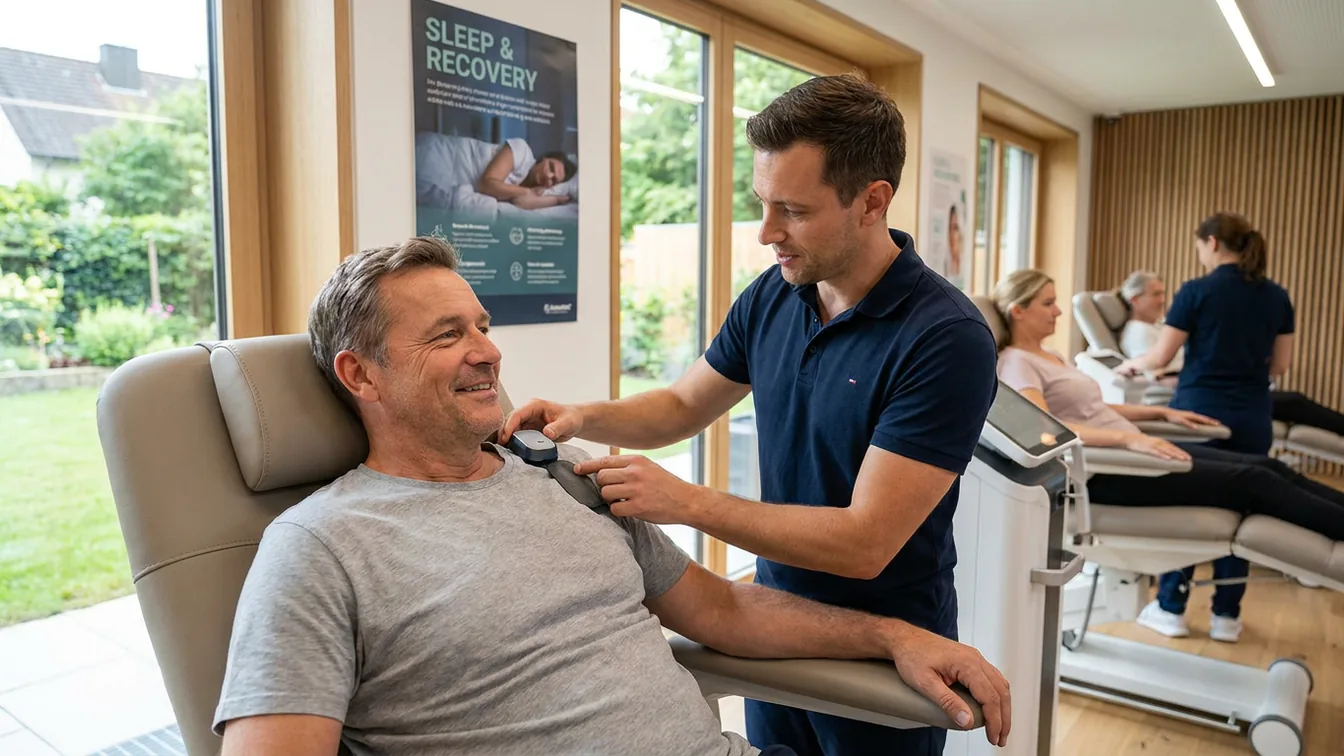
The relationship between sleep and pain creates one of healthcare's most challenging cycles. Poor sleep intensifies pain, while chronic pain disrupts sleep quality, leaving many Morehead residents trapped in an exhausting loop. Understanding this intricate connection between sleep and pain management opens the door to more effective, natural healing strategies that address both issues simultaneously.
Research consistently demonstrates that inadequate sleep lowers your pain threshold, making you more sensitive to discomfort. When you're sleep-deprived, your nervous system becomes hyperactive, amplifying pain signals throughout your body. Conversely, chronic pain conditions frequently cause sleep fragmentation, preventing you from reaching the deep, restorative sleep phases essential for tissue repair and pain relief.
Whether you're dealing with sports injuries after cheering on the Morehead State Eagles fans or managing chronic conditions that affect daily activities, recognizing how sleep impacts your pain experience is crucial for developing an effective management strategy.
The Science Behind Sleep and Pain Interaction
Your body's pain processing system undergoes significant changes during sleep deprivation. When you don't get adequate rest, several physiological processes work against pain relief. Sleep loss increases inflammatory markers throughout your body, creating an environment where pain thrives and healing slows.
During quality sleep, your body produces natural pain-relieving chemicals, including endorphins and growth hormone. These substances not only help manage existing discomfort but also promote tissue regeneration and cellular repair. Without sufficient deep sleep, your body struggles to maintain these protective mechanisms.
The brain's pain-processing centers also become dysregulated with poor sleep. Areas responsible for pain perception become hyperactive, while regions that normally dampen pain signals show decreased activity. This neurological imbalance explains why a minor ache after a morning walk along Cave Run Lake might feel significantly worse after a restless night.
Sleep architecture plays a crucial role in pain management. Deep sleep stages, particularly slow-wave sleep, are when your body performs most of its repair work. During these phases, blood flow increases to muscles and tissues, delivering nutrients essential for healing while removing metabolic waste products that contribute to inflammation and discomfort.
For Morehead residents managing chronic conditions, understanding these mechanisms helps explain why pain often feels worse during periods of poor sleep. The connection between sleep and pain management isn't just correlation – it's a fundamental biological relationship that affects every aspect of your healing journey.
Natural Strategies to Improve Sleep Quality for Pain Relief
Creating an optimal sleep environment forms the foundation of effective pain management through better rest. Your bedroom should be cool, typically between 65-68 degrees Fahrenheit, as lower temperatures promote deeper sleep phases crucial for pain relief. Complete darkness signals your brain to produce melatonin, a hormone that not only promotes sleep but also has anti-inflammatory properties.
Establishing consistent sleep and wake times helps regulate your circadian rhythm, even on weekends. This biological clock influences pain sensitivity throughout the day, with many people experiencing increased discomfort during late evening hours when natural pain-relieving hormones decline.
The hours before bedtime significantly impact sleep quality and subsequent pain levels. Avoiding screens for at least one hour before sleep prevents blue light from disrupting melatonin production. Instead, engage in gentle activities like reading, light stretching, or meditation that promote relaxation without stimulating your nervous system.
Nutrition timing affects both sleep quality and pain management. Eating large meals close to bedtime can disrupt sleep, while certain foods contain natural compounds that promote rest and reduce inflammation. Tart cherry juice, for example, provides natural melatonin, while fatty fish rich in omega-3 fatty acids support both sleep quality and pain reduction.
Temperature therapy can bridge the gap between pain relief and sleep improvement. A warm bath before bed raises your core temperature temporarily, and the subsequent cooling effect signals your body to prepare for sleep while potentially easing muscle tension and joint discomfort.
Creating a pre-sleep routine that incorporates gentle movement or stretching can address both pain and sleep concerns. Light yoga or tai chi movements help release physical tension while calming your mind, making it easier to transition into restful sleep despite ongoing discomfort.
Advanced Therapies That Target Both Sleep and Pain
Modern wellness approaches recognize the interconnected nature of sleep and pain, leading to therapies that address both simultaneously. These innovative treatments work with your body's natural healing processes to break the pain-sleep cycle effectively.
Red light therapy represents one of the most promising advances in addressing both sleep disturbances and pain management. This non-invasive treatment uses specific wavelengths of light to stimulate cellular healing processes while supporting healthy circadian rhythm regulation. The therapy promotes mitochondrial function, enhancing your cells' ability to repair themselves during sleep while reducing inflammation that contributes to pain.
Infrared sauna therapy offers another dual-benefit approach, combining deep tissue heating with relaxation benefits that improve sleep quality. The gentle heat penetrates muscles and joints, promoting blood flow and reducing stiffness while triggering the release of endorphins. Regular infrared sauna sessions, particularly in the early evening, can help establish a natural temperature rhythm that promotes better sleep while providing ongoing pain relief.
SoftWave therapy addresses the root causes of pain while potentially improving sleep through reduced discomfort. This advanced treatment stimulates your body's natural regenerative processes, promoting tissue healing that can lead to significant pain reduction. As pain levels decrease, many patients experience dramatic improvements in sleep quality and duration.
Nutritional support plays a crucial role in optimizing both sleep and pain management outcomes. Specific supplements and dietary modifications can support neurotransmitter production necessary for quality sleep while providing anti-inflammatory compounds that address pain at the cellular level. Magnesium, for instance, promotes muscle relaxation and nervous system calm while supporting deep sleep phases essential for pain relief.
Whether you're in Olive Hill or Owingsville, accessing comprehensive care that addresses both sleep and pain can transform your quality of life. The connection between sleep and pain management becomes most apparent when both are addressed simultaneously through coordinated, professional treatment approaches.
Creating Your Personalized Sleep-Pain Management Plan
Developing an effective strategy requires understanding your unique pain patterns and sleep challenges. Keep a detailed journal tracking your pain levels, sleep quality, daily activities, and potential triggers. This information helps identify specific connections between your sleep patterns and pain fluctuations, enabling more targeted interventions.
Timing plays a crucial role in maximizing the benefits of pain management strategies for sleep improvement. Morning sunlight exposure helps regulate your circadian rhythm while gentle morning movement can reduce stiffness without overstimulating your system. Afternoon activities should balance necessary tasks with energy conservation, preventing late-day fatigue that can worsen both pain and sleep quality.
Evening routines should focus on gradual relaxation and pain management preparation. This might include gentle stretching, meditation, or other calming activities that address both physical discomfort and mental stress. The goal is creating a smooth transition from day to night that supports your body's natural healing processes.
Consider how environmental factors in Morehead might affect your sleep and pain levels. Seasonal changes, weather patterns, and local activities can all influence your symptoms. Adapting your management strategy throughout the year ensures consistent results regardless of external conditions.
Professional guidance becomes essential when self-management strategies aren't providing adequate relief. Healthcare providers specializing in the connection between sleep and pain management can offer advanced therapies and personalized protocols that address your specific needs more effectively than generic approaches.
The journey toward better sleep and reduced pain requires patience and consistency, but the rewards extend far beyond symptom relief. Improved sleep quality enhances immune function, mental clarity, and emotional resilience while effective pain management restores your ability to engage fully in daily activities and relationships.
If you're struggling with the challenging cycle of pain and poor sleep, professional support can help you develop a comprehensive management strategy. Carter Healthcare at 214 E Main Street, Morehead, KY 40351 offers innovative therapies specifically designed to address both sleep disturbances and pain management, helping you reclaim the restorative rest essential for optimal healing and wellbeing.