As we age, maintaining balance and strength becomes increasingly challenging, yet these abilities remain crucial for independence and quality of life. Many older adults in Morehead and surrounding areas like Clearfield find themselves struggling with stability issues, muscle weakness, and the fear of falling. While these concerns are common, they don't have to be inevitable. SoftWave therapy represents an innovative, non-invasive approach that's showing remarkable promise in helping geriatric patients regain their confidence and physical capabilities.
Balance and strength issues affect millions of older adults nationwide, with falls being the leading cause of injury-related death among seniors. The interconnected nature of these problems means that weakness in one area often compounds difficulties in another, creating a cycle that can significantly impact daily living activities.
Understanding Balance and Strength Challenges in Older Adults
The aging process brings natural changes to our musculoskeletal system that can affect balance and strength. Muscle mass typically decreases by 3-8% per decade after age 30, with the rate of decline accelerating after age 60. This loss of muscle tissue, combined with changes in joint flexibility, bone density, and sensory function, creates the perfect storm for balance difficulties.
For Morehead residents who enjoy activities like hiking with Daniel Boone hikers or staying active in the community, these changes can be particularly frustrating. The inner ear, which plays a crucial role in balance, also undergoes age-related changes that can affect spatial orientation and stability. Additionally, conditions common in older adults such as arthritis, diabetes, and cardiovascular disease can further compromise balance and strength.
Vision changes, medication side effects, and decreased proprioception – our body's ability to sense its position in space – all contribute to increased fall risk. Many seniors begin to limit their activities out of fear of falling, which unfortunately leads to further deconditioning and muscle weakness, perpetuating the cycle of decline.
Traditional approaches to addressing these issues often focus on exercise programs, physical therapy, and fall prevention strategies. While these remain important components of care, they don't always address the underlying tissue health and cellular function that contribute to strength and stability issues.
How SoftWave Therapy Supports Balance and Strength
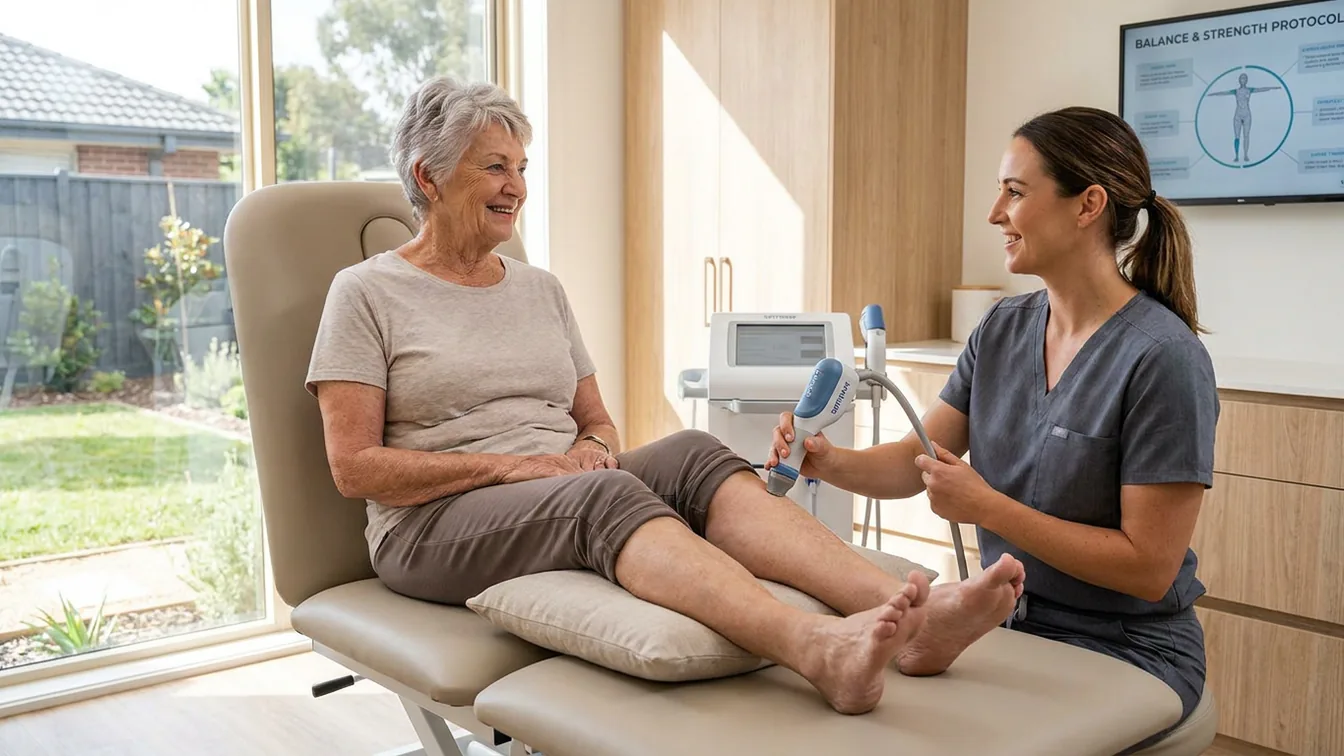
SoftWave therapy utilizes unfocused shock wave technology to stimulate the body's natural healing processes at the cellular level. This innovative treatment works by creating controlled microtrauma that triggers the release of growth factors and promotes increased blood flow to treated tissues. For older adults struggling with balance and strength issues, this technology offers several potential benefits.
The therapy promotes angiogenesis – the formation of new blood vessels – which improves circulation to muscles, joints, and other tissues involved in balance and movement. Enhanced blood flow means better delivery of oxygen and nutrients to these structures, supporting their function and repair. This is particularly important for geriatric patients, as aging often brings decreased circulation that can contribute to muscle weakness and joint stiffness.
SoftWave therapy also stimulates the production of stem cells and growth factors that support tissue regeneration. For muscles that have weakened over time, this cellular stimulation can help improve function and strength. The treatment may also help address chronic pain conditions that limit mobility and contribute to balance problems.
Another significant benefit is the therapy's ability to reduce inflammation. Chronic inflammation is common in older adults and can contribute to joint pain, muscle weakness, and overall decreased function. By promoting the body's natural anti-inflammatory processes, SoftWave therapy may help create an environment more conducive to healing and improved physical function.
The treatment is completely non-invasive, requiring no medications or surgical procedures. Sessions typically last 10-15 minutes and can be comfortably performed in a clinical setting. Many patients report improvements in pain levels and mobility relatively quickly, though optimal results usually require a series of treatments tailored to individual needs.
Research and Clinical Evidence
While SoftWave therapy is relatively new in the wellness field, the underlying shock wave technology has been used in various medical applications for decades. Studies on extracorporeal shock wave therapy have shown promising results for musculoskeletal conditions, pain management, and tissue healing – all factors that can influence balance and strength in older adults.
Research has demonstrated that shock wave therapy can improve muscle strength and function in various populations. Studies focusing on older adults have shown improvements in walking speed, balance scores, and overall functional capacity following treatment protocols. The therapy's ability to stimulate blood flow and promote tissue healing appears to translate into measurable improvements in physical performance.
One area of particular interest is the therapy's potential impact on proprioception and neuromuscular control. Some research suggests that improved tissue health and reduced pain can lead to better sensory feedback from muscles and joints, potentially enhancing balance and coordination.
Clinical observations from practitioners using SoftWave therapy with geriatric patients have noted improvements in gait stability, reduced fall risk, and increased confidence in movement. While individual results vary, many older adults report feeling more stable on their feet and experiencing less fear when navigating stairs, uneven surfaces, or challenging environments.
Comprehensive Approach to Geriatric Wellness
SoftWave therapy works best as part of a comprehensive approach to geriatric wellness. At Carter Healthcare, the focus extends beyond single treatments to encompass overall health and function. Combining SoftWave therapy with other available services can create a synergistic effect that maximizes benefits for older adults.
Red light therapy, for example, can complement SoftWave treatments by further supporting cellular healing and reducing inflammation. The combination of these therapies may provide enhanced benefits for tissue health and pain management. Occupational therapy services can help patients apply their improved strength and balance to daily living activities, ensuring that clinical improvements translate into real-world function.
Nutrition plays a crucial role in maintaining muscle mass and bone health as we age. Proper nutrition packages can support the body's healing processes and provide the building blocks necessary for tissue repair and regeneration stimulated by SoftWave therapy. Adequate protein intake, vitamin D, calcium, and other nutrients are essential for maintaining strength and bone density.
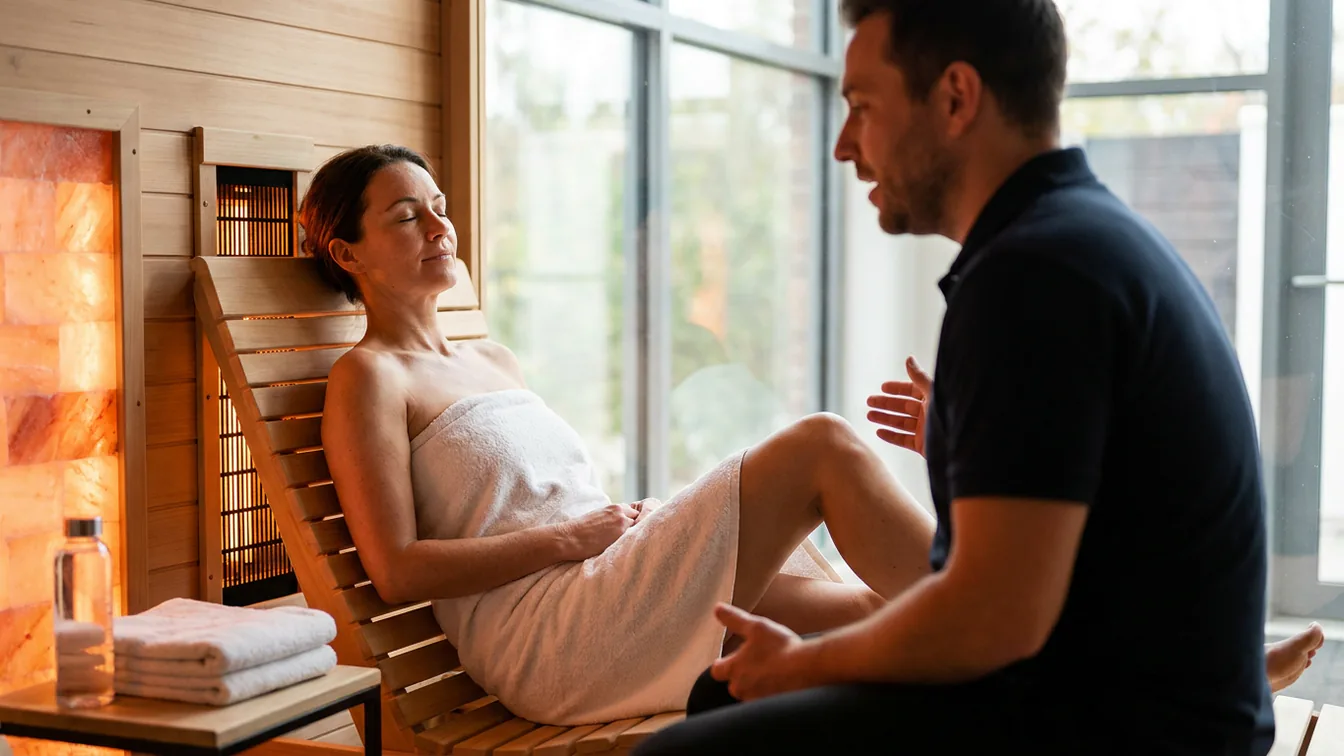
Infrared sauna sessions may also complement SoftWave therapy by promoting relaxation, improving circulation, and supporting the body's natural detoxification processes. The heat therapy can help reduce muscle tension and joint stiffness that often contribute to balance difficulties.
For Kentucky residents dealing with seasonal changes and potentially limited outdoor activity during certain times of year, having access to multiple therapeutic modalities can help maintain physical function year-round.
What to Expect from Treatment
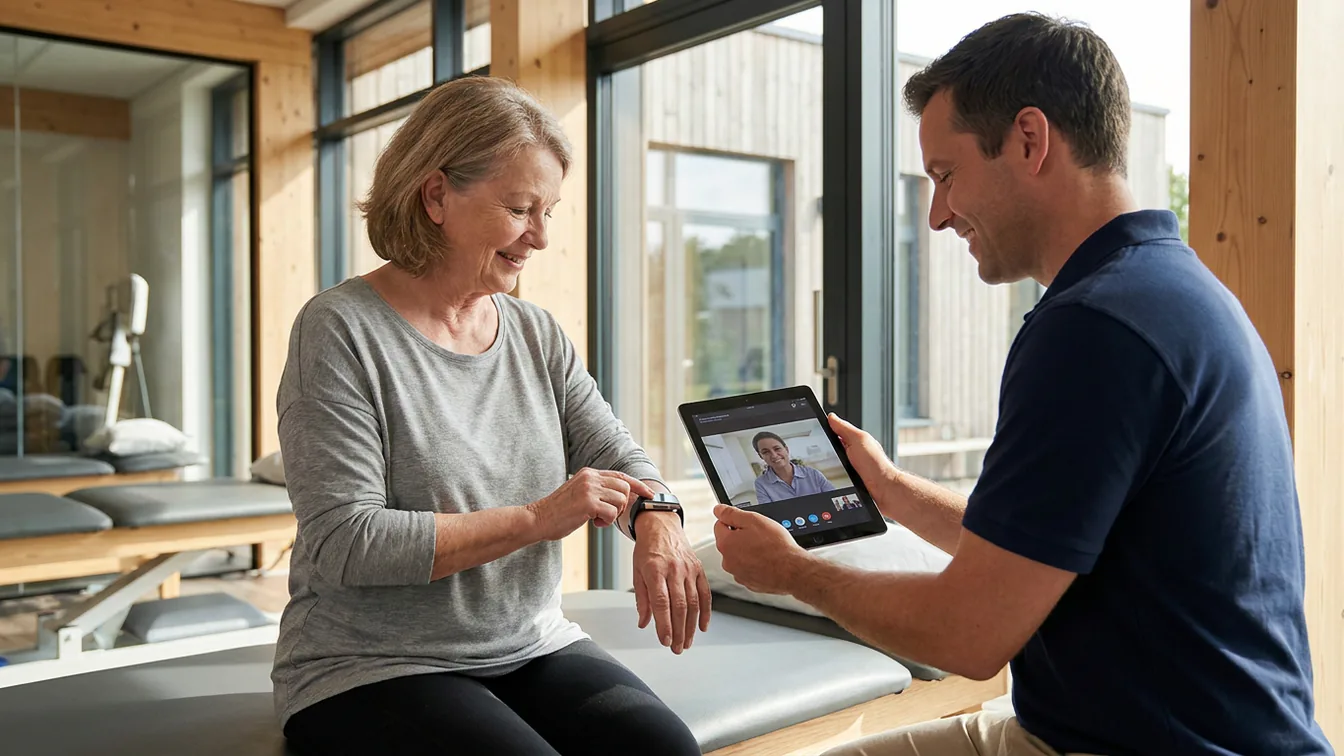
Patients considering SoftWave therapy for balance and strength concerns can expect a thorough evaluation to determine if they're good candidates for treatment. The therapy is generally well-tolerated, though some patients may experience mild discomfort during treatment or temporary soreness afterward.
A typical treatment protocol might involve multiple sessions spaced over several weeks, with the exact frequency and duration depending on individual needs and response to therapy. Many patients begin to notice improvements within the first few treatments, though optimal results typically require completion of the full protocol.
It's important to maintain realistic expectations while remaining optimistic about potential benefits. SoftWave therapy is not a miracle cure, but rather a tool that can support the body's natural healing processes and potentially improve function when used appropriately.
Patients should continue any prescribed medications and follow their healthcare provider's recommendations regarding exercise, physical therapy, and other treatments. SoftWave therapy is designed to complement, not replace, comprehensive medical care.
If you're concerned about balance and strength issues, or if you're interested in learning more about how SoftWave therapy might benefit you or a loved one, consider scheduling a consultation. The team at Carter Healthcare, located at 214 E Main Street, Morehead, KY 40351, can provide personalized information about treatment options and help determine if SoftWave therapy is appropriate for your specific situation. Taking proactive steps to address balance and strength concerns can help maintain independence and quality of life for years to come.